Is a Personal Trainer Worth It? Pros, Cons and Who Benefits | Trainer.sg
Is a Personal Trainer Worth It? An Honest Guide
What a personal trainer actually gives you, who benefits most, when you can skip one, and how to get real value from sessions without paying for more than you need.
Is a personal trainer worth it? For a lot of people, yes, at least for a while. A good trainer gives you a plan that fits your body and schedule, teaches you to lift safely, and keeps you showing up long enough to see results. But it isn't the right call for everyone, and how you use a trainer matters as much as whether you hire one.
This guide covers what you actually get for your money, who tends to benefit most, when you can probably skip it, and how to get the most value if you do decide to book sessions.
The short answer
Worth it if you're new to training, coming back after a long break or an injury, stuck on a plateau, working toward a specific goal, or you keep starting and stopping on your own.
Probably not essential if you already train consistently, know the main lifts well, are still progressing, and enjoy writing your own programme.
Best value usually comes from a focused block of sessions to learn the basics and build a plan, then fewer sessions or online coaching once you can train well on your own.
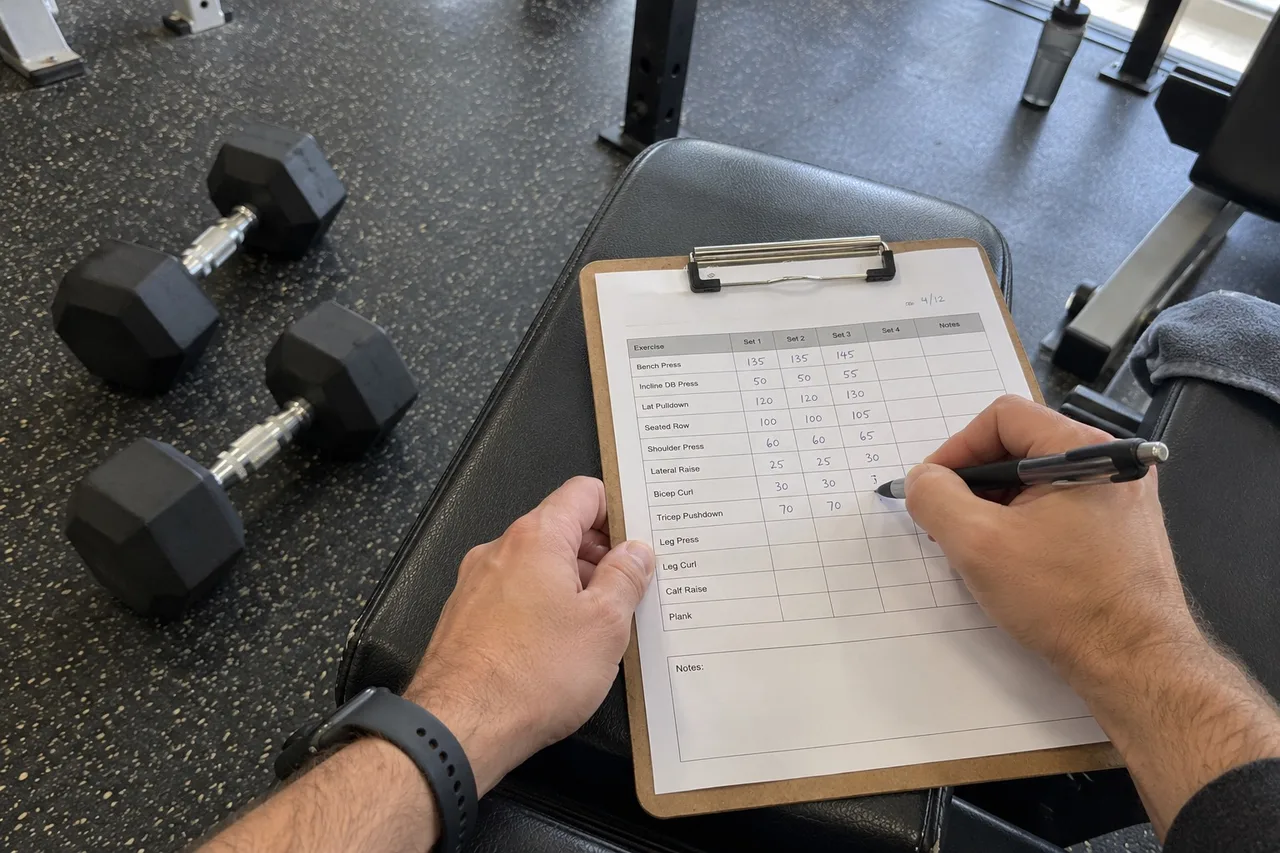
A written plan and a log of what you lifted are what make progression possible.
What you actually get from a personal trainer
A session with a trainer isn't just someone counting your reps. The real value is in a handful of things that are hard to do for yourself.
A programme built around you
A trainer takes your goals, experience, schedule, equipment and any limitations, and turns them into a plan: which exercises, how many sets and reps, how often, and in what order. That saves you from guessing, copying a random plan online, or bouncing between programmes every few weeks.
Technique coaching
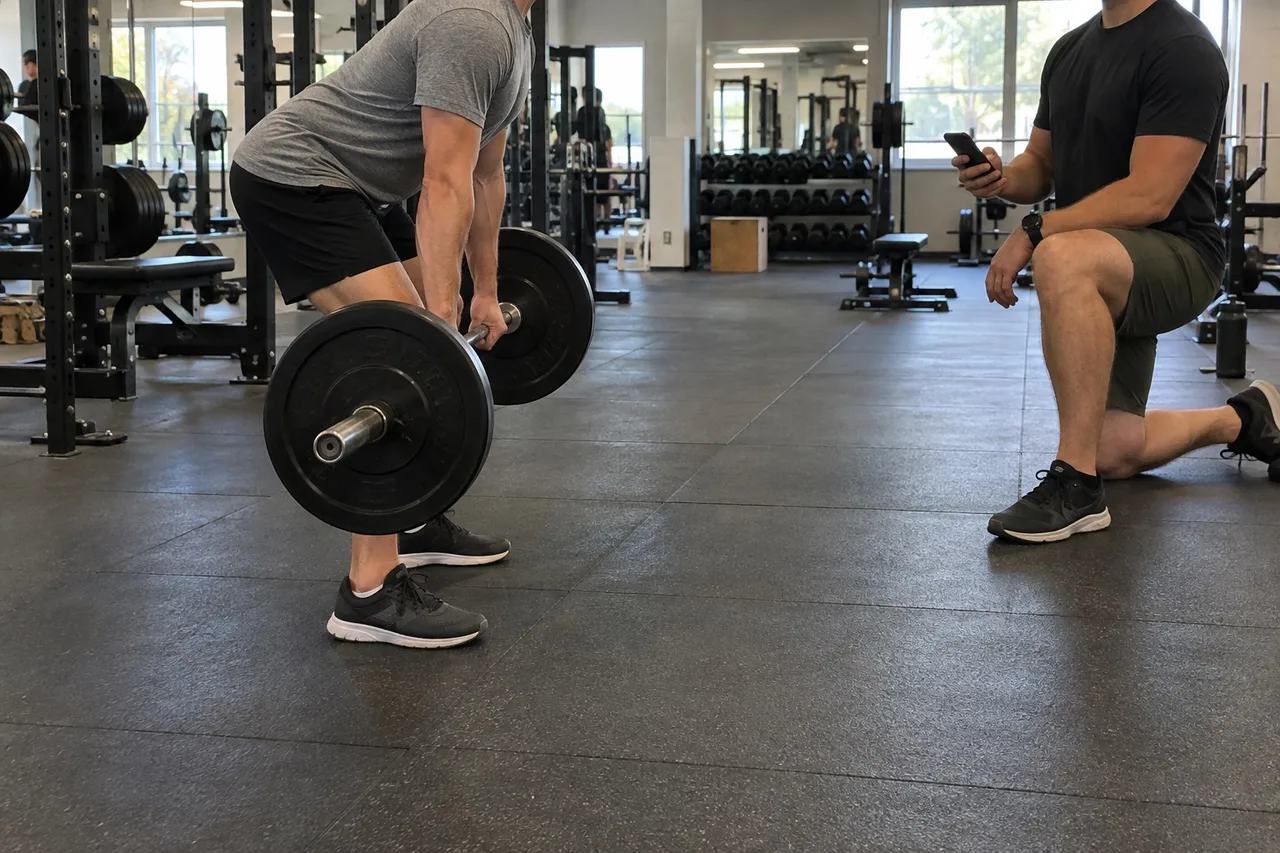
Learning the main movement patterns (squat, hinge, push, pull, carry) with someone watching from the side is much faster than learning from videos. A trainer can spot small issues you can't feel, like your heels lifting in a squat or your lower back rounding on a deadlift, and give you a simple cue to fix them. Good technique lets you train harder with more confidence.
When someone is expecting you at 7 am on Tuesday, you're far more likely to turn up. For many people this is the main reason a trainer works. Missing a session feels different when it's a commitment to a person rather than a vague plan in your head. If you've struggled with this before, why you keep quitting the gym goes into the common reasons.
Planned progression
Muscles and strength respond to gradually increasing demands. A trainer tracks your weights, reps and how hard sets feel, then nudges things forward at a sensible pace. That's the difference between "working out" and actually getting stronger month after month.
Adjustments when life gets in the way
Bad sleep, a busy week, a sore knee, travel, a new job. A good trainer adapts the plan rather than leaving you to abandon it. They can swap exercises, lower the volume for a week or set up a short hotel-room session so you keep the habit going.
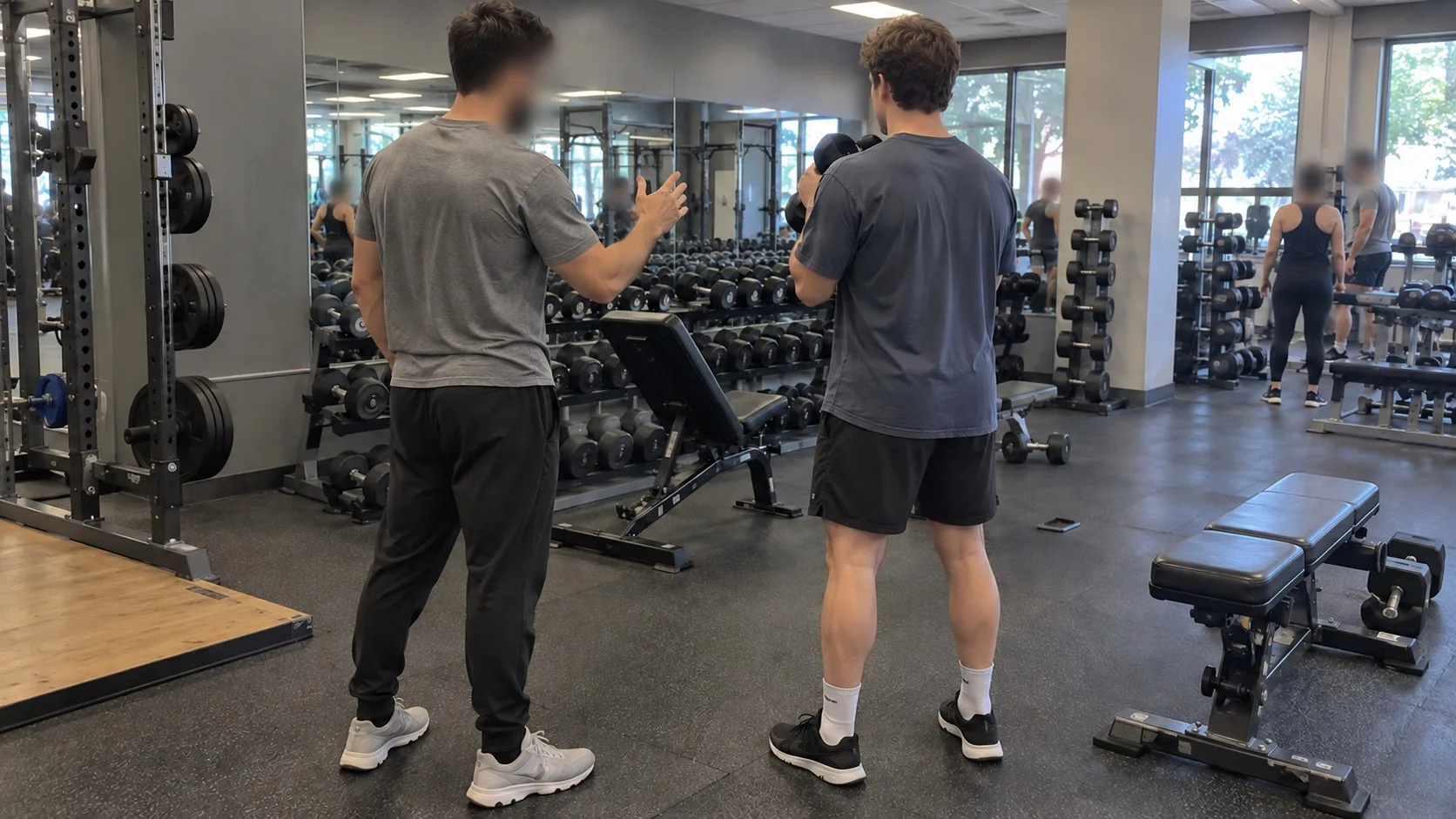
Watching from the side makes it easier to see hip hinge and back position.
Who benefits most from a personal trainer
Situation
Why a trainer helps
What to ask for
Complete beginner
Learn safe technique and a simple plan from day one
A beginner programme you can repeat on your own
Returning after a break
Rebuild gradually instead of jumping back in too hard
A ramp-up over the first few weeks
Returning after injury (with clearance)
Train around limits and progress carefully
A trainer who will work alongside your physio's advice
Stuck on a plateau
Fresh eyes on programming, effort and recovery
A programme review and a new progression plan
Specific goal or event
A plan with a deadline, such as a hike, race or strength target
Experience with that type of goal
Struggles with consistency
Fixed appointments and someone checking in
Regular sessions plus check-ins between them
Beginners
If you've never followed a structured programme, a few sessions can save you months of trial and error. You'll leave knowing how to set up the main exercises, how heavy to go and how to warm up. Even if you only book a short block, the skills stay with you. If you'd rather start alone, a simple beginner gym workout plan is a reasonable first step.
People coming back after a break or injury
After time off, the common mistake is going straight back to old weights and getting sore, frustrated or hurt. A trainer can rebuild you gradually. If you're returning from an injury, surgery, pregnancy or a health condition, get clearance from your doctor or physiotherapist first, and look for a trainer who will follow their guidance rather than replace it.
Lifters who have plateaued
If your lifts or body composition haven't moved in months, an experienced coach can often spot the reason: not enough effort in sets, too little volume, poor recovery, or a diet that doesn't match the goal. Sometimes a few programme changes are all it takes.
People with a specific goal
Training for a first pull-up, a trek, a sport season or a strength milestone is easier with a plan that counts back from the date. A trainer can structure the weeks so you peak at the right time.
People who struggle with consistency
If you know what to do but rarely do it, accountability is the product. Booked sessions, someone checking your logged workouts, and a plan that fits your week can turn good intentions into a routine. Pairing that with a few small daily fitness habits makes it stick.
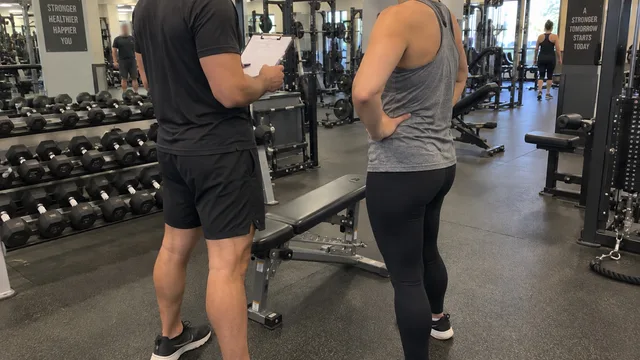
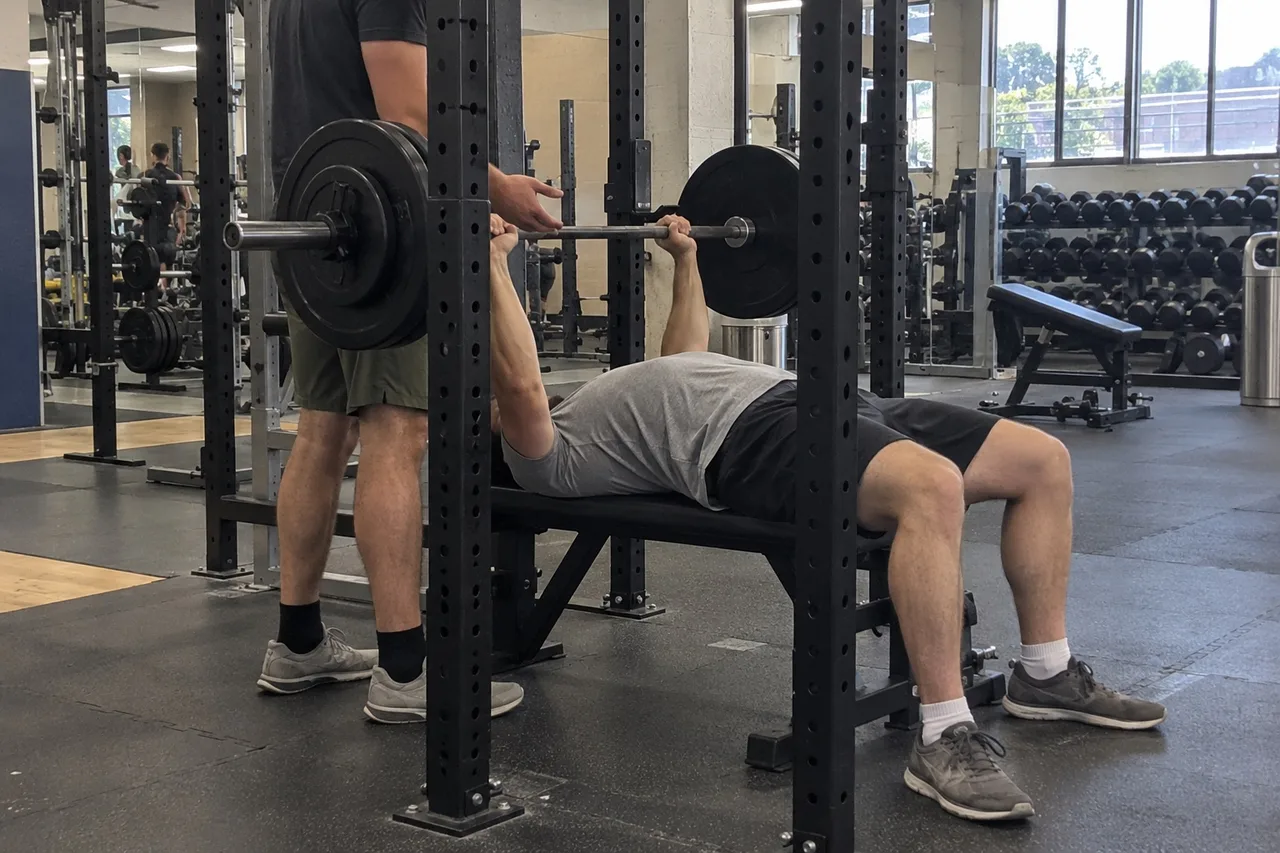
A spotter lets you push closer to your limit safely.
When you might not need a personal trainer
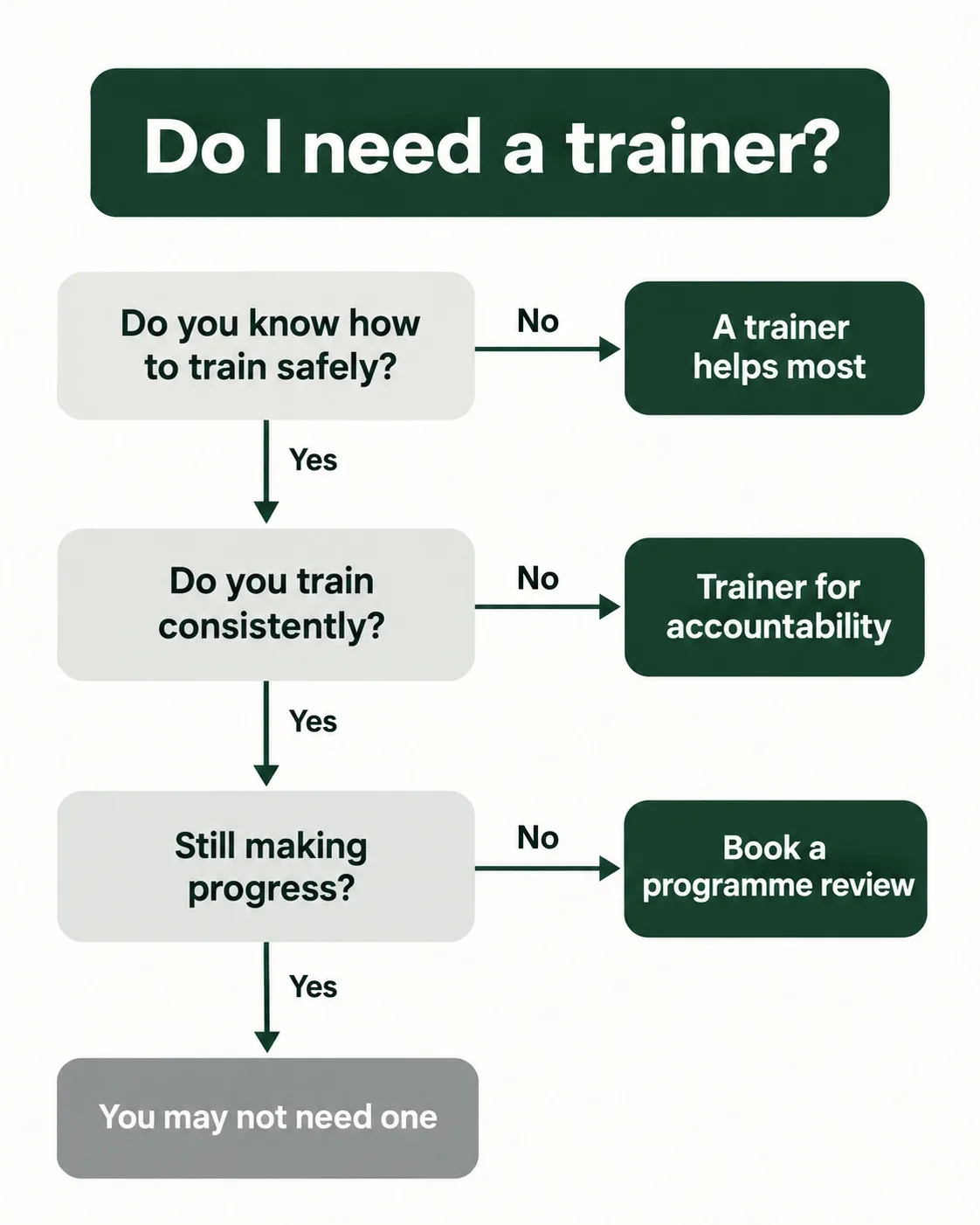
A trainer is a tool, not a requirement. You may do fine without one if most of these are true:
You've trained consistently for a year or more and rarely miss sessions.
You're comfortable with the main lifts and confident your technique is solid.
You're still making progress on a programme you follow.
You enjoy learning about training and adjusting your own plan.
Your goal is general health, and you're already meeting the WHO recommendation of 150 to 300 minutes of moderate activity a week plus muscle-strengthening work on at least two days.
Even then, a one-off session or a programme review every few months can be useful as a check-up on your form and plan.
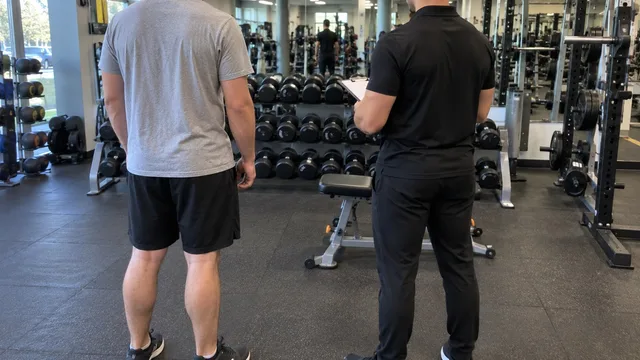
A quick way to think it through.
Is a personal trainer worth the money? Honest pros and cons
Pros
Cons
Personalised plan instead of guesswork
In-person sessions are expensive over the long term
Faster, safer technique learning
Quality varies a lot between trainers
Built-in accountability
You can become dependent if they never teach you to train alone
Steady, tracked progression
Fixed session times can be hard to fit around work
Plan adjusts around injuries, travel and busy weeks
One hour a week doesn't change much if the rest of your week stays the same
The cost is the big one. Prices vary widely by location, experience and format, so it's worth reading how much a personal trainer costs before you commit. Bear in mind that the cheapest option isn't always the best value, and the most expensive isn't always the best coach.
Remember too that results depend on the other 160-odd hours of your week. Sleep, daily movement and what you eat matter just as much. A trainer can guide you on these, but they can't do them for you. If nutrition is the weak spot, start with how many calories you should eat and how much protein you need per day.
How to get the most value from a trainer
Start with a clear goal. "Get fit" is hard to coach. "Deadlift my body weight", "lose 5 kg by summer" or "train three times a week without back pain" gives your trainer something concrete to plan around.
Choose carefully. Look at qualifications, experience with goals like yours, and how they communicate. Our guide on how to choose a personal trainer has a checklist.
Book a short trial block. Rather than a long package up front, try something like 4 to 8 weeks. That's long enough to learn the basics and see whether the relationship works.
Ask to learn, not just follow. Ask why each exercise is in the plan, what to feel, and how to progress it. The goal is to be able to train well on your own.
Train between sessions. Do the extra workouts your trainer sets and log them. Most of your progress happens in the sessions you do alone.
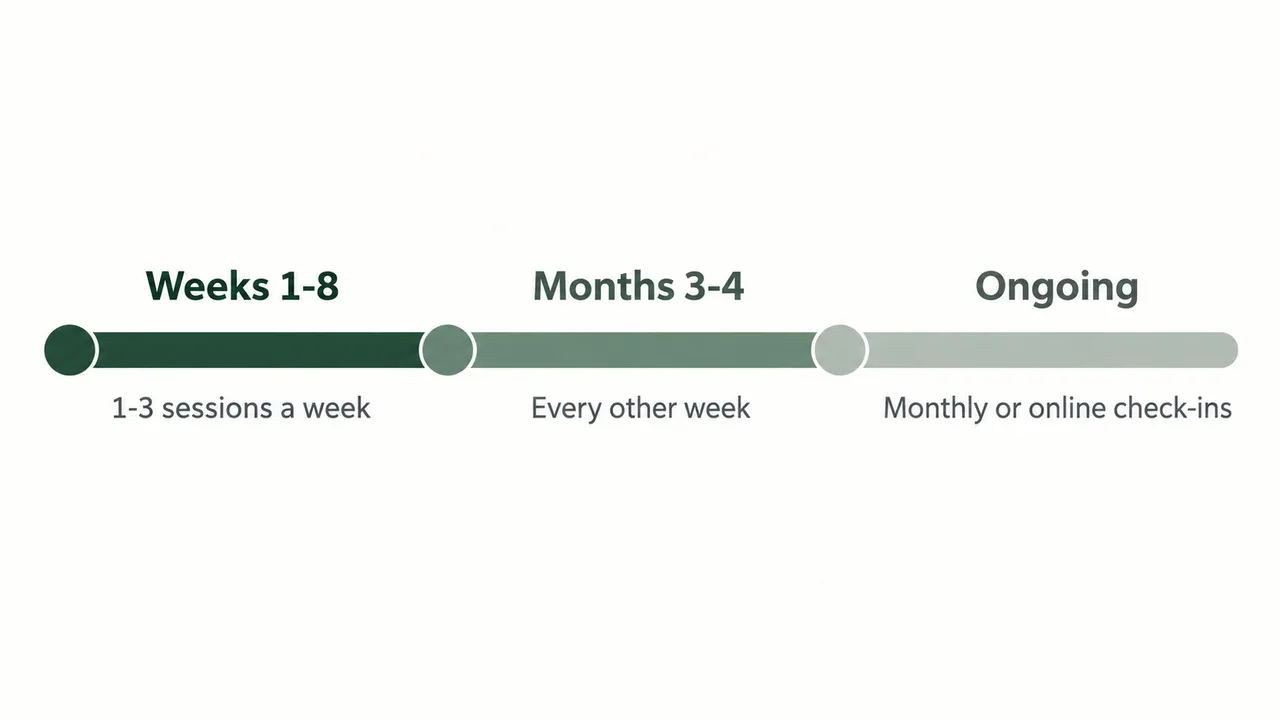
Taper the format. Once you're confident, move to fewer sessions (every other week or monthly), small-group training, or online coaching with check-ins. You keep the plan and accountability at a lower cost.
One common way to taper sessions as your confidence grows.
Your weights, reps or fitness markers are going up, even slowly.
You understand your plan and could explain why you're doing each exercise.
Your technique feels more confident, and nagging aches aren't getting worse.
Your trainer tracks your progress and changes the plan based on it.
They listen when you say something hurts, isn't working or doesn't fit your schedule.
Warning signs are the opposite: random workouts that change every session, no tracking, little attention to your form, pressure to buy long packages or supplements, or advice that goes beyond their scope, like diagnosing injuries or prescribing extreme diets.
Where trainer.sg fits in
If you've decided a coach makes sense, you can browse personal trainers on trainer.sg and compare their experience, specialities and training style. Many coaches also offer online coaching, where they share your programme, review check-ins and keep you accountable between sessions, which can be a lower-cost way to keep a coach after an initial in-person block.
FAQ
Is a personal trainer worth it for beginners?
Usually, yes. Beginners get the most from technique coaching and a simple, structured plan, and those skills last. Even a short block of sessions can set you up to train confidently on your own.
How many sessions with a personal trainer do I need?
There's no fixed number, but many people find 6 to 12 sessions over one to three months enough to learn the main lifts and get a programme they can run alone. After that, occasional check-ins or online coaching can keep things on track.
Can I get results without a personal trainer?
Yes. Plenty of people make great progress on their own with a well-designed programme, consistent training, decent sleep and good nutrition. A trainer mainly speeds up learning, reduces guesswork and adds accountability.
Is online personal training worth it?
It can be, especially if you already know the basic lifts. You get a programme, regular check-ins and adjustments for less than in-person sessions. The trade-off is less real-time feedback on technique, though many coaches review videos of your sets.
How often should I see a personal trainer?
One to three sessions a week is common when you're starting out. As you gain confidence, many people drop to once a week, every other week or monthly, and train on their own in between.
Is a personal trainer worth it for weight loss?
A trainer can help with a training plan, consistency and habits, which all support weight loss. But fat loss depends mostly on your overall diet and daily activity, so look for a coach who also helps with nutrition habits, and check with a doctor or dietitian if you have a medical condition.
Conclusion
A personal trainer is worth it when they help you do what you couldn't easily do alone: learn to train safely, follow a plan that progresses, and stay consistent. Go in with a clear goal, start with a short block, focus on learning, and step down to less frequent sessions or online coaching once you're confident. That way you get the biggest benefits without paying for more than you need.
·11 min read
What to Expect at Your First Personal Training Session
What really happens at a first personal training session: how to prepare, what to wear and bring, the typical structure, how hard it will be, soreness afterwards and the questions to ask before you leave.