How to Choose a Personal Trainer: Checklist and Red Flags | Trainer.sg
How to Choose a Personal Trainer: Questions, Green Flags and Red Flags
What to check before hiring a personal trainer: your goal, certifications, experience, coaching style and logistics, plus questions to ask, green and red flags, and how to use a trial session.
Learning how to choose a personal trainer mostly comes down to fit. The best trainer for a powerlifter is often the wrong person for a nervous beginner, and a great in-person coach may not suit someone who travels every other week. Qualifications matter, but they are only the starting point.
This guide covers what to check, in order: your goal, credentials, experience, coaching style and logistics, plus questions to ask, green and red flags, and how to use a trial session.
How to choose a personal trainer: the short answer
Get clear on your main goal first, then look for trainers who regularly coach people with that goal.
Check for a recognised personal training certification and current CPR/first aid. Treat these as the minimum, not proof of quality.
Pick a coaching style and communication rhythm that suits you, and a format (in person, online or hybrid) that fits your schedule.
Ask questions before you pay. A good trainer starts with an assessment, explains their plan and never pressures you into a big package.
Use a trial or intro session to see how they actually coach before signing up long term.
Start with your goal, not the trainer
Before you look at a single profile, write down what you want help with in one or two sentences. "Lose 8 kg and feel fitter" is useful. "Get in shape" is too vague to compare trainers against. Add anything that changes the picture: an old knee injury, a busy work schedule, a sport you play, or the fact that you have never set foot in a weights area.
Your goal tells you which kind of experience to look for:
Your main goal
Look for a trainer who
Getting started as a complete beginner
Teaches technique patiently, builds simple programs and is happy explaining the basics
Fat loss
Combines training with realistic habit and nutrition guidance, and tracks progress beyond the scale
Certifications: what they mean and what they don't
Personal training is not regulated the same way in every country, so the label "personal trainer" on its own tells you very little. Credentials give you a baseline that someone has learned the fundamentals of anatomy, exercise programming and safe coaching.
What to look for:
A recognised personal training certification. Many countries have an accreditation system or professional register for fitness qualifications. A certification that is accredited or recognised by one of these is a reasonable baseline. There is no single body that is "the best"; several reputable organisations exist.
Current CPR and first aid. These certifications expire, so it is fair to ask whether theirs is up to date.
Specialist qualifications where relevant. For example, pre and postnatal training, working with older adults, or strength and conditioning for sport.
Ongoing education. Good trainers keep learning through courses, workshops and mentorship. Ask what they have studied recently.
Insurance. In many places, professional liability insurance is standard for working trainers, and gyms often require it.
A sports science or exercise science degree is a bonus, but plenty of excellent coaches do not have one, and a degree alone does not make someone good at coaching people. Equally, a certificate does not make a trainer a physiotherapist or a dietitian. A trainer should not diagnose injuries or prescribe meal plans to treat medical conditions. If you have a heart condition, are pregnant, have a recent injury or any health concern, check with your doctor before starting a new program and share that advice with your trainer.
Experience and specialisation fit
Years in the job matter less than relevant experience. A trainer with three years of coaching beginners every day may be a better choice for a beginner than someone with ten years who mainly coaches competitive athletes.
Useful things to find out:
How many clients they have worked with who had a goal or situation like yours.
What a typical progression looks like for those clients over the first three months.
Whether they have a specialty, and what they refer out. Knowing their limits is a good sign.
Whether they have experience with your constraints, such as training at home, training with limited equipment or working around shift work.
Be cautious with dramatic before-and-after photos. They are not necessarily fake, but they show the best outcomes, not the typical ones. Ask what results most clients get, not just the standout cases.
Coaching style and communication
Two equally qualified trainers can feel completely different to work with. Some are calm and technical, some are energetic and loud, some give you lots of detail and others keep instructions to a minimum. None of these is wrong. What matters is whether the style keeps you coming back, which is the biggest predictor of results. If you have quit the gym before, understanding why that happens can help you pick a style that addresses it.
Think about:
How you like to be motivated. Encouragement, firm accountability or plain information.
How much you want explained. Some people want to know the reason behind every exercise; others just want to be told what to do.
Communication between sessions. Do they check in, reply to messages, or review your workouts and food logs? How quickly do they usually respond?
How they handle a bad week. A good trainer adjusts the plan without making you feel guilty.
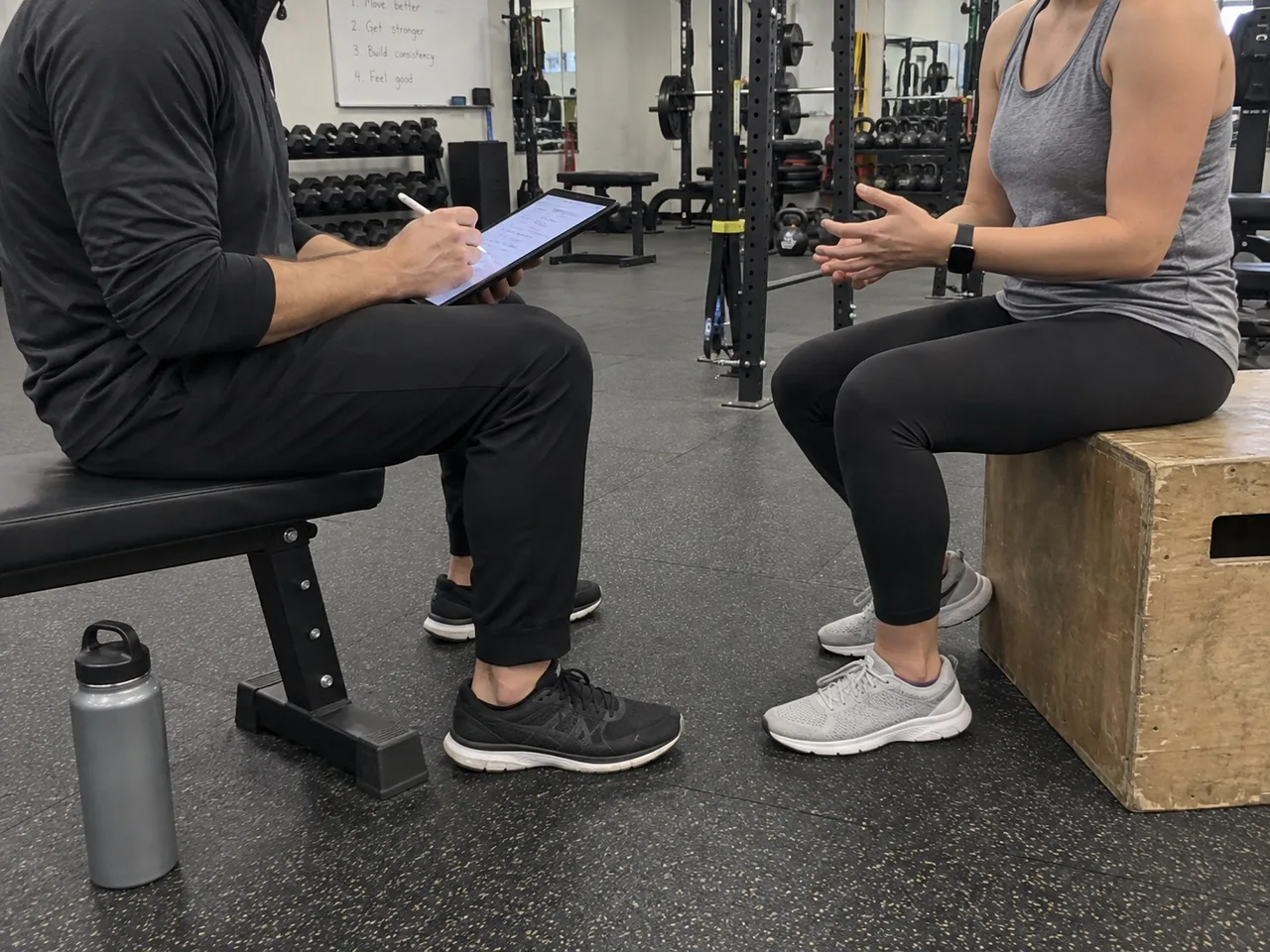
A proper first meeting includes questions about your goals, history and schedule before any hard training.
Logistics: location, schedule and online vs in person
A great trainer you cannot get to is not a great trainer for you. Be honest about how much travel and scheduling friction you will tolerate over several months, not just in the first week of enthusiasm.
Format
Works well for
Trade-offs
In person, one to one
Beginners, technique work, people who need accountability on the spot
Usually the most expensive per session; fixed times and travel
Small group training
Social people who want coaching at a lower cost per session
Less individual attention and less tailored programming
Online coaching
Self-motivated people with gym access and busy or irregular schedules
No hands-on form correction; relies on video feedback and check-ins
Hybrid
People who want occasional in-person sessions plus a program to follow between them
Needs clear communication about what happens between sessions
Also check:
Where sessions happen, and whether there are extra costs such as gym entry fees.
Which days and times they have regular availability, not just one open slot next week.
Their cancellation and rescheduling policy, and how far ahead you need to give notice.
How pricing works: single sessions, packs or monthly coaching. Our guide to how much a personal trainer costs explains the common pricing models.
Questions to ask before you sign up
Most trainers are happy to answer these in a short call or message before you book. How they answer tells you as much as what they say.
What qualifications do you hold, and are your CPR and first aid current?
How many clients have you coached with a goal like mine, and what did their progress usually look like?
What happens in the first session? Do you do an assessment?
How do you build and adjust a program? How will we measure progress?
How do we communicate between sessions, and how quickly do you usually reply?
What are your prices, package options and cancellation policy? Can I start with a single session or short block?
How do you handle pain, injuries or medical conditions? When would you refer me to someone else?
What do you expect from me between sessions?
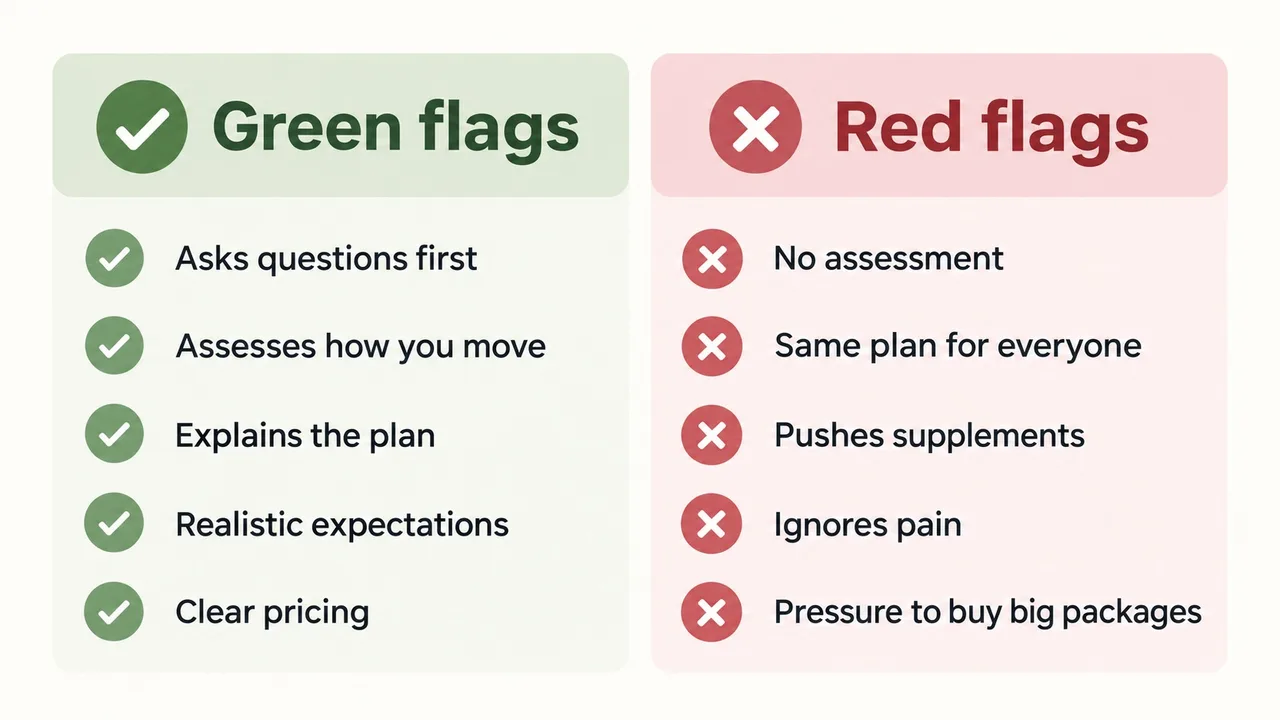
Green flags in a personal trainer
They ask about your goals, training history, injuries, health and schedule before programming anything.
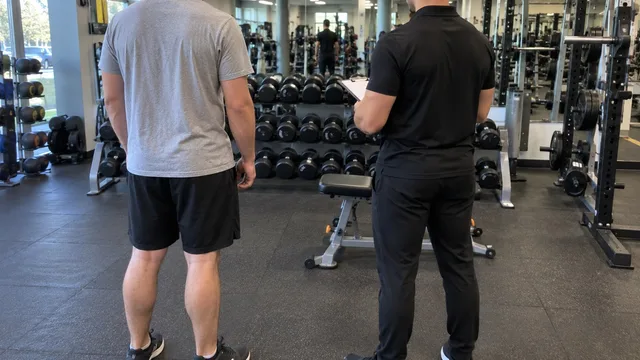
They run some form of assessment, such as movement checks, basic strength tests or simply watching you perform a few exercises.
They explain why the program looks the way it does, in plain language.
They coach your technique closely and adjust exercises that do not suit your body.
They set realistic expectations about how fast results come.
They track progress with more than one measure, such as strength, consistency, measurements or how you feel.
They encourage habits outside the gym too, such as sleep, steps and small daily routines.
They are clear about pricing and policies in writing.
Red flags to watch for
No assessment. If they start hammering you with a hard workout without asking a single question about your history or injuries, they are guessing.
One-size-fits-all programs. Every client gets the same template regardless of goal, age or experience.
Pushing supplements. Recommending a basic protein powder for convenience is fine. Making you buy specific products, especially ones they sell or earn commission on, is not.
Ignoring pain or injury. Being told to "push through" sharp pain, or having your pain dismissed, is a reason to stop.
Pressure to buy big packages. Discounts for bundles are normal. Pressure to commit to dozens of sessions on day one, or "today only" offers, is a sales tactic.
Extreme diets or promises. Very low calorie plans, cutting out whole food groups without a reason, or guaranteed results by a date.
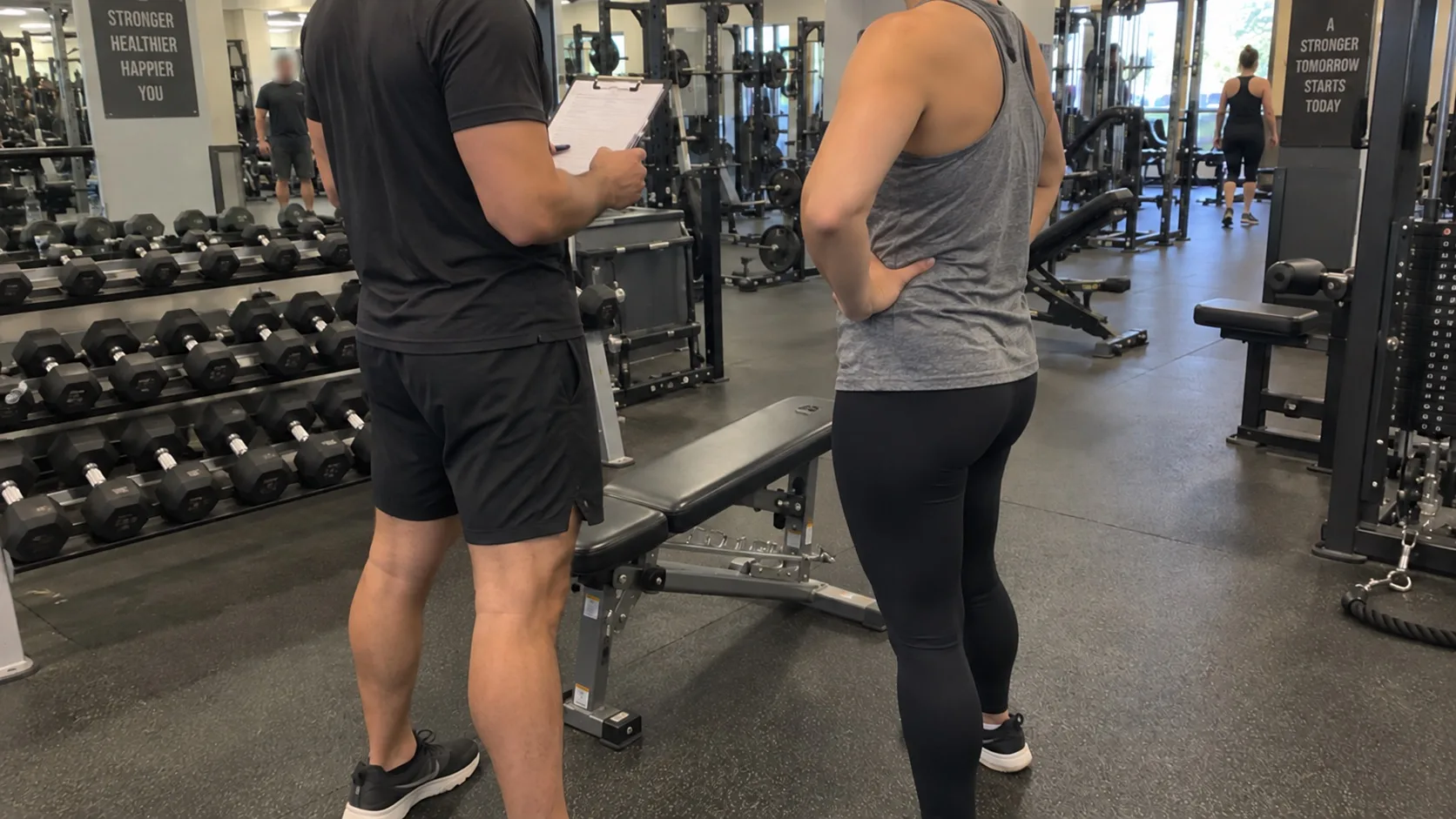
Distracted sessions. Often on their phone or unprepared.
Belittling or shaming comments about your body, your food or your progress.
One red flag does not always mean a bad trainer, but several together usually do. Trust what you see in the session more than what is on their profile.
Make the most of a trial session
Many trainers offer an intro, consultation or single session before you buy a package. Treat it as an interview in both directions. If you are nervous about what to expect, read our guide to your first personal training session.
During the session, notice:
Whether they listen and remember what you told them.
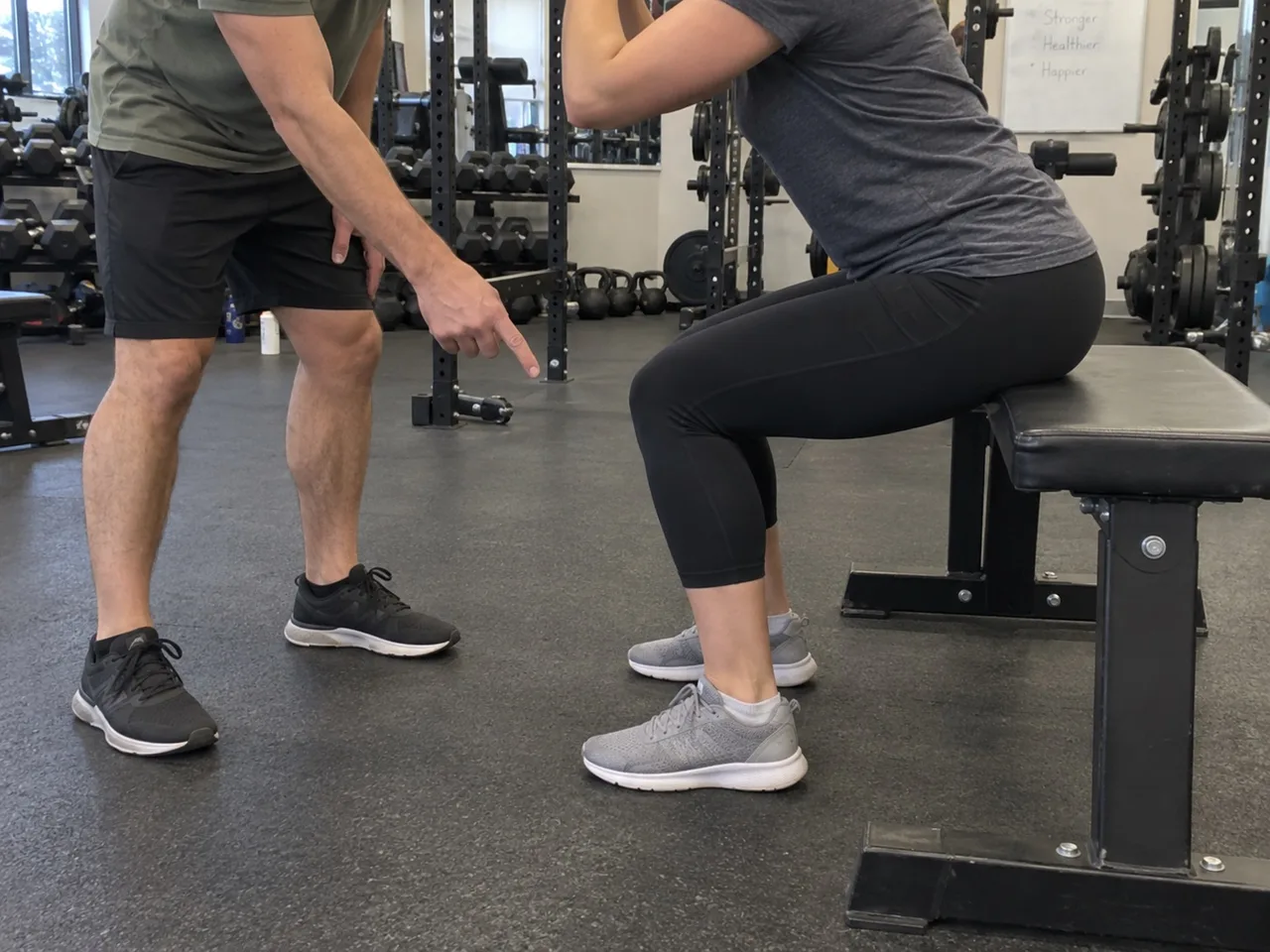
How clearly they cue technique, and whether they adjust when something does not feel right.
Whether the difficulty matches your level. You should feel challenged, not wrecked for a week.
How you feel afterwards. Ideally, more capable and keen to come back.
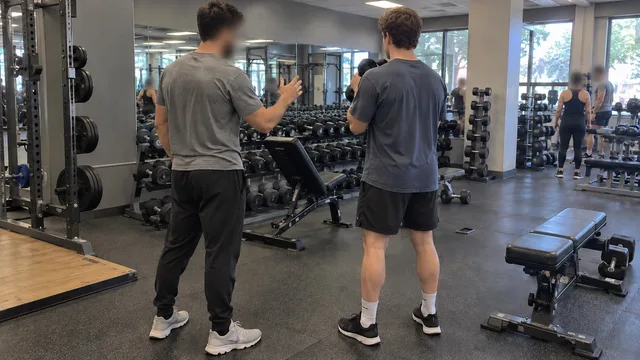
Watch how a trainer cues and adjusts your technique during a first session.
If a trainer does not offer a trial, ask whether you can start with a short block of sessions instead. If it does not work out, it is completely normal to try someone else. You are not obliged to stay with the first person you book.
How to shortlist trainers on Trainer.sg
On Trainer.sg, you can browse trainer profiles and narrow them down before reaching out. A simple way to use it:
Search for your goal. Use keywords and filters such as specialty, price range, language and availability to cut the list down.
Read the profile properly. Look at their qualifications, specialties, coaching approach and where or how they train clients.
Read the reviews. Look for comments that mention clients like you and specific things the trainer did well, rather than just the star rating.
Save three to five trainers and compare them against your goal and the questions above.
Book an intro or first session with your top choice, then decide after you have trained with them.
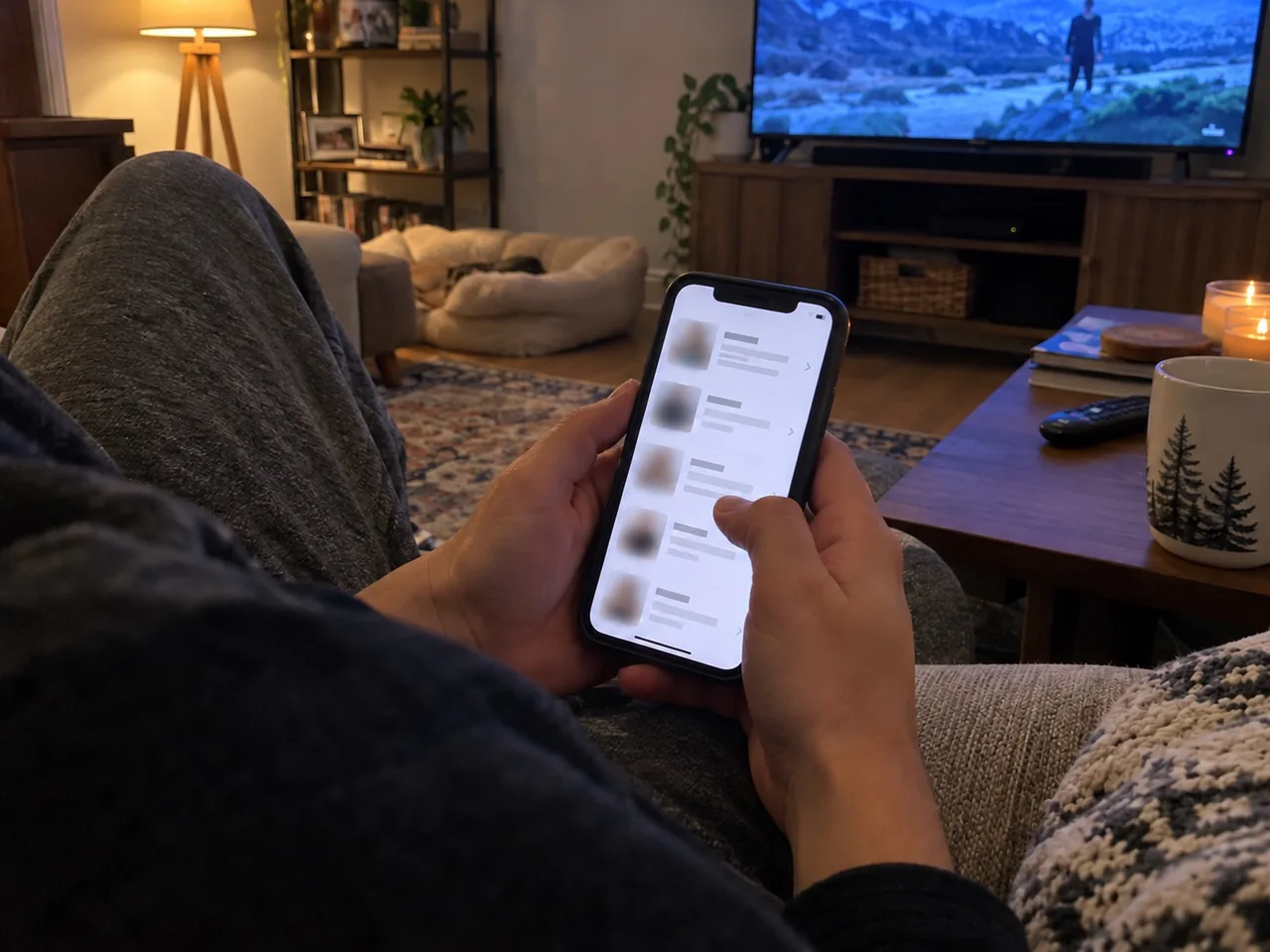
Shortlisting a handful of trainers makes comparing them much easier.
FAQ
How do I choose a good personal trainer?
Start with your goal, then look for a trainer with a recognised certification, current CPR/first aid and experience coaching people like you. Ask about their process, pricing and communication, and use a trial session to check that their coaching style suits you.
What qualifications should a personal trainer have?
At minimum, a personal training certification that is recognised or accredited where they work, plus current CPR and first aid. Specialist qualifications matter if you have specific needs, such as pregnancy, older age or sport-specific goals. Many trainers also carry professional liability insurance.
Should I choose an online or in-person personal trainer?
In person is usually better if you are new to lifting or need hands-on technique coaching and accountability. Online coaching suits people who already know the basics, have gym access and want flexibility. A hybrid of both works well for many people.
How long should I give a personal trainer before deciding?
You will usually know within one to three sessions whether the communication and coaching style suit you. Physical results take longer, so judge progress over at least a couple of months, looking at strength, consistency and how you feel as well as appearance.
Is it okay to switch personal trainers?
Yes. If the style, schedule or results are not working, it is reasonable to move on. Check your package's cancellation terms first, and give honest feedback if you are comfortable doing so.
The bottom line
Choosing a personal trainer is less about finding the most impressive credentials and more about finding a qualified person whose experience, style and schedule fit your goal. Ask questions, watch for the red flags, try a session before committing, and do not be afraid to keep looking until it feels right. When you are ready, browse trainers on Trainer.sg and start with a shortlist.
·10 min read
Is a Personal Trainer Worth It? An Honest Guide
What a personal trainer actually gives you, who benefits most, when you can skip one, and how to get real value from sessions without paying for more than you need.